Why Investors Compare Gold and Silver
Gold and silver are the two most widely held precious metals in retirement planning. Both have long histories as stores of value, yet they behave differently in price movement, demand drivers, and risk profile. Understanding these differences helps investors decide how each metal may fit within a long-term retirement strategy.
Rather than viewing the decision as either gold or silver, many investors consider how the two can work together to support diversification and balance.
Gold’s Role in Retirement Planning
Gold is often viewed as the cornerstone precious metal for retirement portfolios. Its primary appeal lies in stability and wealth preservation. Gold has been used as a monetary asset for thousands of years and is still held by central banks as part of national reserves.
Because gold is less influenced by industrial demand, its price tends to be driven more by macroeconomic factors such as inflation expectations, currency strength, and geopolitical uncertainty. This makes gold particularly attractive to investors focused on protecting purchasing power and reducing exposure to market volatility.
Gold is also highly liquid and globally recognized, which can be important when planning for future distributions or rebalancing.
Silver’s Role in Retirement Planning
Silver shares many characteristics with gold, but it also brings additional considerations. Like gold, silver is a physical precious metal with limited supply and long-standing value. However, silver has significant industrial uses in electronics, medical applications, and renewable energy technologies.
This industrial demand can lead to greater price volatility. Silver prices often experience larger swings than gold, both upward and downward. For retirement investors, this means silver may offer higher growth potential but also higher short-term risk.
Because silver trades at a lower price per ounce, some investors find it more accessible for accumulating larger quantities of physical metal within a given budget.
Volatility and Risk Considerations
From a retirement perspective, volatility matters. Gold has historically exhibited lower volatility compared to silver, which is why it is often used as a stabilizing asset. Silver’s price movements can amplify gains during strong demand cycles but may also decline more sharply during economic slowdowns.
This difference does not make one metal better than the other. Instead, it highlights how each metal serves a different role. Gold is typically associated with preservation, while silver introduces an element of growth tied to industrial and investment demand.
Diversification Benefits of Holding Both
Many retirement investors choose to hold both gold and silver to capture the benefits of each. Gold provides stability and protection against currency risk, while silver adds diversification and potential upside tied to broader economic activity.
Holding multiple precious metals can help reduce concentration risk and create a more balanced allocation within a Precious Metals IRA or physical holdings.
Using Gold and Silver in Retirement Accounts
Both gold and silver can be held inside a self-directed Precious Metals IRA, provided they meet IRS purity and eligibility requirements. Metals are stored at an approved depository and follow the same tax rules as other retirement assets based on the account structure.
This allows investors to tailor their precious metals exposure while maintaining tax-advantaged growth.
Making an Informed Choice
The decision between gold, silver, or a combination of both depends on individual goals, risk tolerance, and time horizon. Retirement planning is not one-size-fits-all, and precious metals should be integrated thoughtfully rather than reactively.
At Freedom Gold USA, investors receive education-first guidance to help determine how gold and silver may fit into their broader retirement strategy.
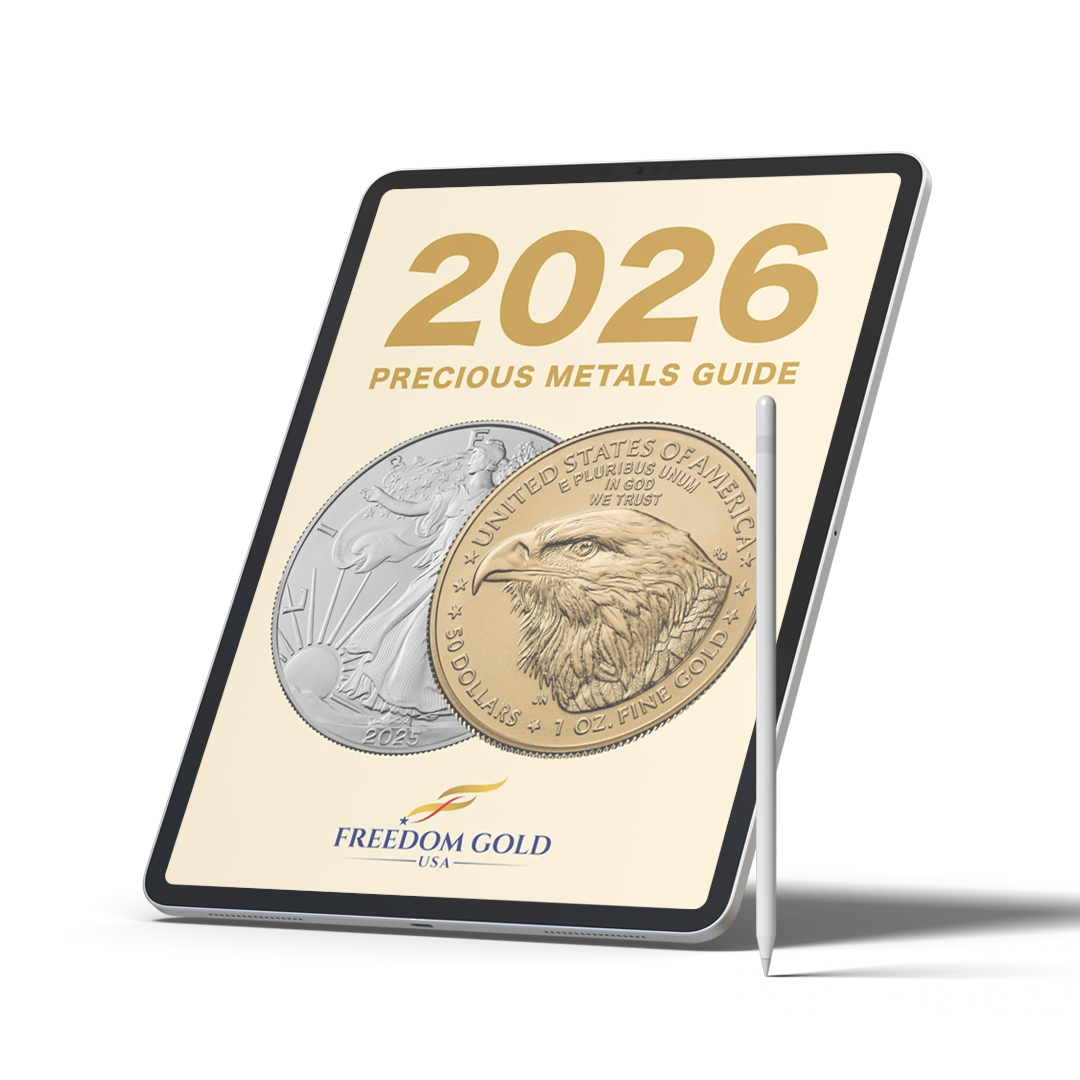
If you are weighing gold versus silver for retirement, request the Free Gold and Silver Investor’s Guide from Freedom Gold USA to explore the role each metal can play in building long-term stability and confidence.