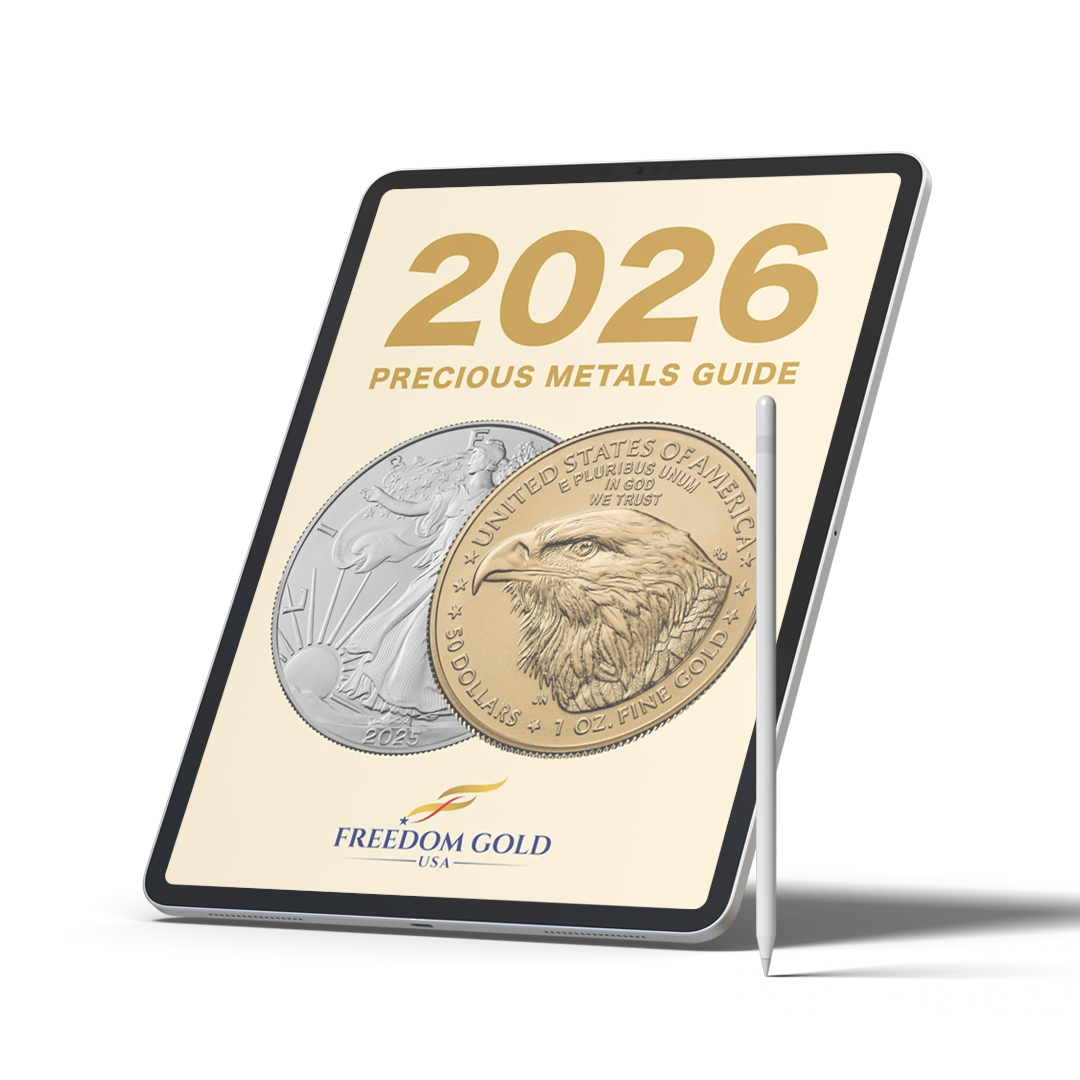
Two Ways to Invest in Precious Metals
Investors looking to add precious metals to their portfolios generally choose between two approaches. One is owning physical precious metals such as gold or silver coins and bars. The other is investing through financial products like exchange-traded funds, commonly referred to as ETFs.
While both options provide exposure to precious metals prices, they are fundamentally different in structure, risk, and ownership. Understanding these differences is essential, especially for those focused on long-term wealth preservation and retirement planning.
What Are Physical Precious Metals
Physical precious metals are tangible assets that you can own directly. This includes gold and silver coins or bars produced by recognized mints or refiners. When you purchase physical metals, you own the asset itself, not a claim on it.
Physical precious metals can be held for home delivery or stored on your behalf at a secure facility. When held inside a self-directed Precious Metals IRA, they must meet IRS purity standards and be stored at an approved third-party depository.
Ownership is straightforward. There is no intermediary performance risk. The value of the metal is tied directly to global market pricing.
What Are Precious Metals ETFs
Precious metals ETFs are financial products designed to track the price of a specific metal. When you buy shares of a gold or silver ETF, you are purchasing a security that represents exposure to price movements, not direct ownership of physical metal.
ETFs trade on stock exchanges and can be bought or sold during market hours. They are often used for short-term trading or convenience-based exposure within brokerage accounts.
While some ETFs are backed by physical metal, investors typically do not have a direct claim to specific bars or coins. Redemption for physical metal is usually restricted or unavailable to retail investors.
Ownership and Counterparty Risk
One of the most important differences between physical precious metals and ETFs is ownership structure. Physical metals represent direct ownership of a tangible asset. ETFs represent a financial claim managed by a fund provider.
ETFs introduce counterparty risk. Their value depends on the fund’s structure, custodians, and market liquidity. While ETFs are widely used and regulated, they remain part of the financial system.
Physical precious metals exist outside that system. They are not dependent on market infrastructure, trading platforms, or fund management decisions.
Liquidity and Access
ETFs are highly liquid during normal market conditions and can be traded quickly within brokerage accounts. Physical precious metals are also liquid, though the process involves selling through established dealer networks rather than instant electronic trades.
For long-term investors, especially those focused on retirement, liquidity differences are often less important than ownership clarity and risk profile.
Use in Retirement Planning
ETFs are commonly held in traditional retirement accounts that limit investments to paper assets. Physical precious metals require a self-directed retirement account structure to maintain tax-advantaged status.
A Precious Metals IRA allows investors to hold physical gold and silver while preserving the same tax rules as traditional retirement accounts. This structure combines diversification with tangible ownership.
Which Option Fits Long-Term Goals
ETFs may appeal to investors seeking short-term price exposure or trading flexibility. Physical precious metals are often chosen by those focused on long-term stability, diversification, and protection from systemic risk.
The decision is not about which option is universally better. It is about which aligns with your objectives, timeline, and tolerance for risk.
Choosing with Clarity
Understanding how physical precious metals differ from ETFs helps investors avoid assumptions and make informed choices. Education is especially important when planning for retirement, where mistakes can have lasting consequences.
At Freedom Gold USA, investors receive factual, transparent guidance on the differences between physical ownership and paper exposure. The goal is clarity, not pressure.
If you are deciding how to add precious metals to your portfolio or retirement plan, request the Free Gold and Silver Investor’s Guide from Freedom Gold USA to explore your options with confidence and a clear understanding of what you truly own.