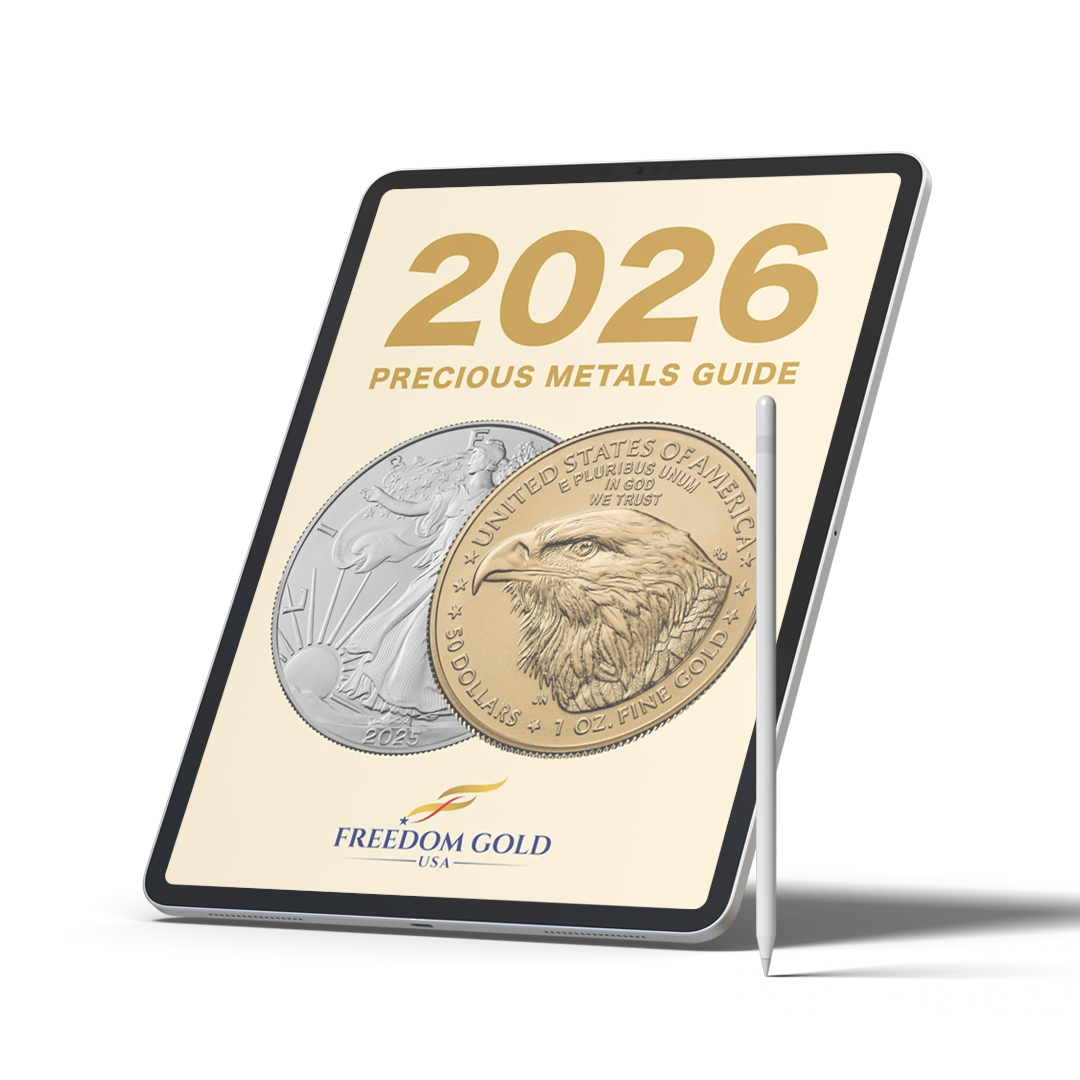
Defining Precious Metals
Precious metals are rare, naturally occurring metals that have been valued for their durability, scarcity, and ability to retain worth over long periods of time. The four metals most commonly associated with investment are gold, silver, platinum, and palladium.
Unlike paper currency or digital assets, precious metals are physical assets. They exist independently of financial systems, central banks, or government-issued money. This physical nature is a key reason precious metals have been used as stores of value for thousands of years.
Why Precious Metals Have Lasting Value
Precious metals derive value from several characteristics that set them apart from other asset classes. First, their supply is limited. Mining output is finite, and new supply cannot be created on demand. Second, precious metals do not degrade over time. Gold and silver do not rust, corrode, or lose their fundamental properties.
Gold has historically functioned as a form of money and a reserve asset. Even today, central banks around the world hold gold as part of their reserves. Silver has served both monetary and practical roles, functioning as currency in the past and as an essential industrial metal in the present.
These factors contribute to why precious metals tend to hold purchasing power over long periods, particularly during inflationary environments or times of financial instability.
The Role of Precious Metals in Investing
In modern portfolios, precious metals are most often used for diversification and wealth preservation rather than short-term speculation. Because their price movements do not always align with stocks or bonds, they can help balance overall portfolio risk.
Gold is typically viewed as a stabilizing asset. Silver, while also a store of value, has additional demand from industrial uses such as electronics, medical equipment, and renewable energy technologies. This gives silver a different risk and return profile while still qualifying as a precious metal investment.
Platinum and palladium are more closely tied to industrial demand and tend to be more volatile. For this reason, many retirement-focused investors concentrate primarily on gold and silver.
Physical Precious Metals vs Paper Exposure
Investors can gain exposure to precious metals in different ways. Physical ownership involves holding coins or bars directly or through a retirement account structure. Paper exposure includes financial products such as exchange-traded funds or mining stocks.
Physical precious metals offer direct ownership. They do not rely on the performance of a company, fund manager, or financial institution. This eliminates counterparty risk and provides clarity around what is owned.
For investors focused on long-term stability and control, physical precious metals are often preferred, particularly when used as part of a broader retirement strategy.
Using Precious Metals in Retirement Planning
Precious metals can be purchased using savings for home delivery or held inside a self-directed Precious Metals IRA. When held in an IRA, metals must meet IRS purity standards and be stored at an approved third-party depository.
This structure allows investors to combine the tax advantages of retirement accounts with the diversification benefits of tangible assets.
Education Before Allocation
While precious metals have a long history, they are most effective when used thoughtfully. Understanding how pricing works, how metals are stored, and how they fit within a broader financial plan is essential.
At Freedom Gold USA, education is central to the investment process. Investors are provided with clear explanations, factual guidance, and support designed to help them make informed decisions without pressure.
If you are new to precious metals and want to understand how they may support long-term wealth preservation, request the Free Gold and Silver Investor’s Guide from Freedom Gold USA and explore your options with confidence and clarity.